“Amalgamation of Scholarship and Art - Selected Artworks of Jao Tsung-I Petite Ecole's Collection” exhibition held to thank Professor Jao for his generous donation of books and artworks

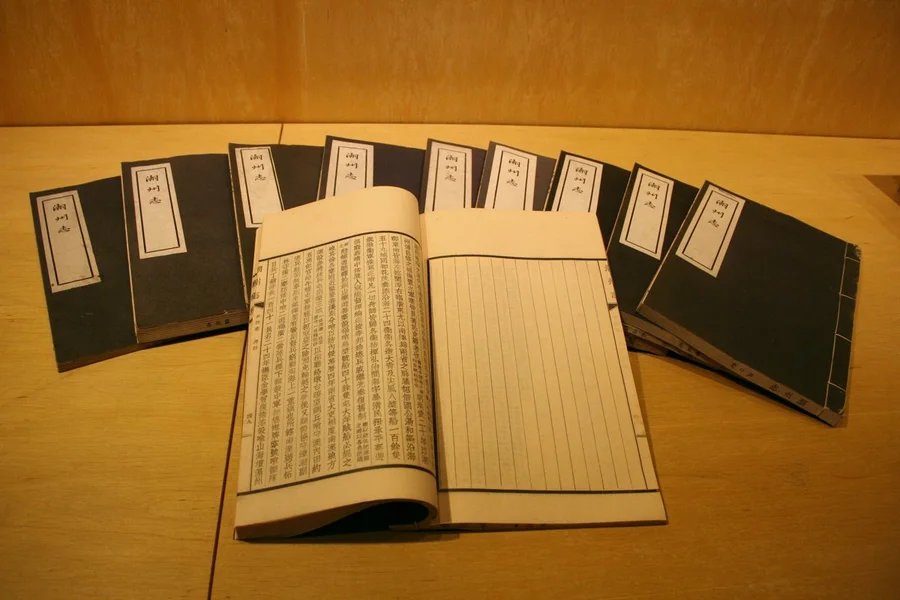
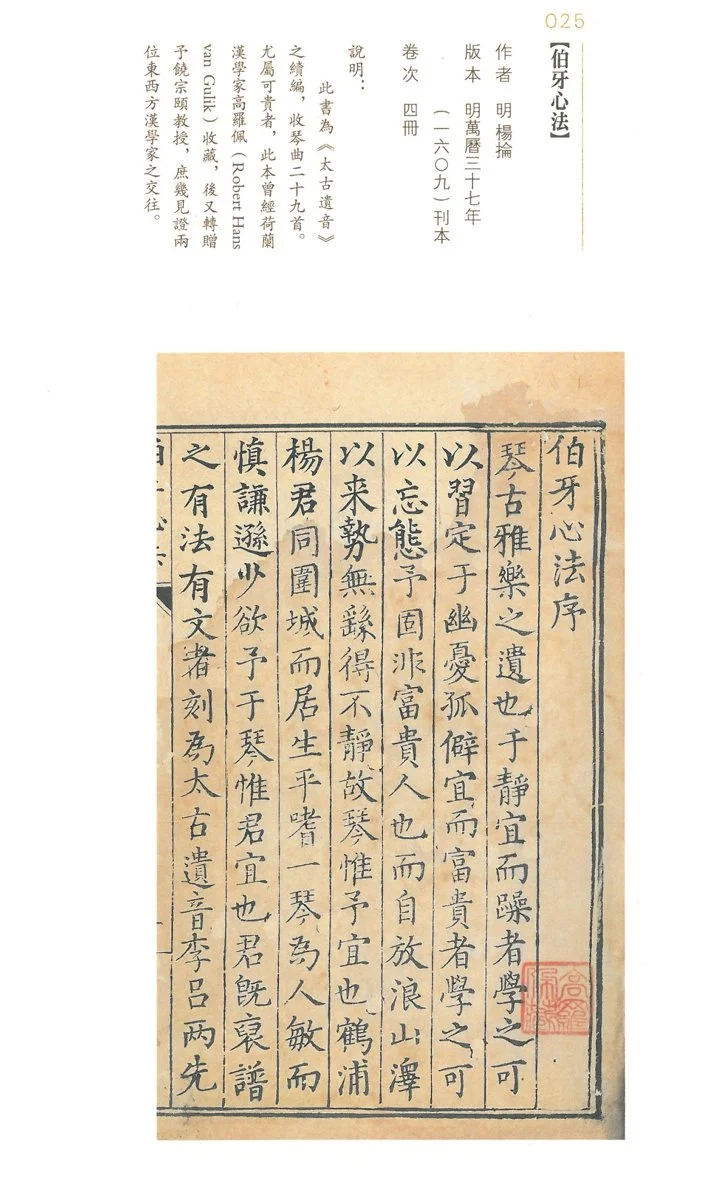
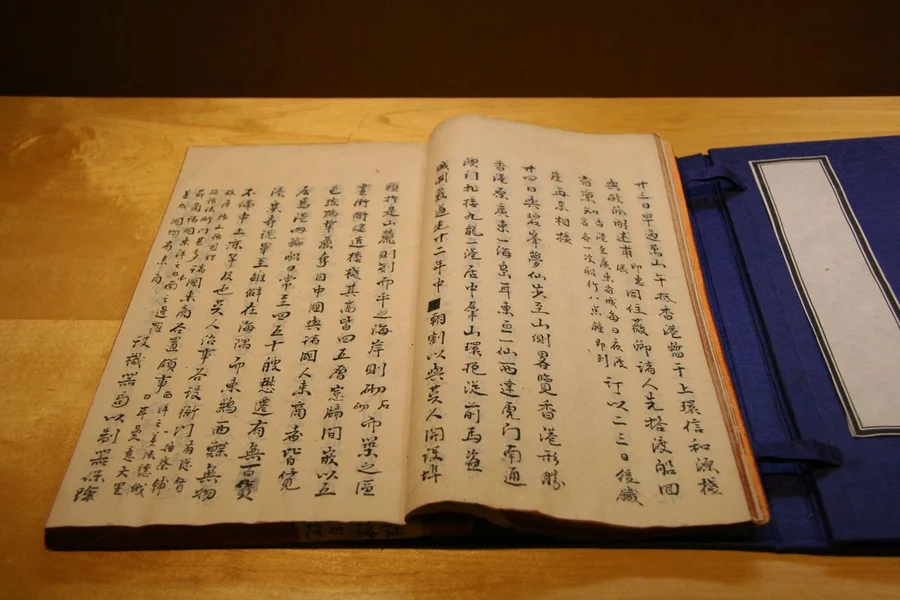
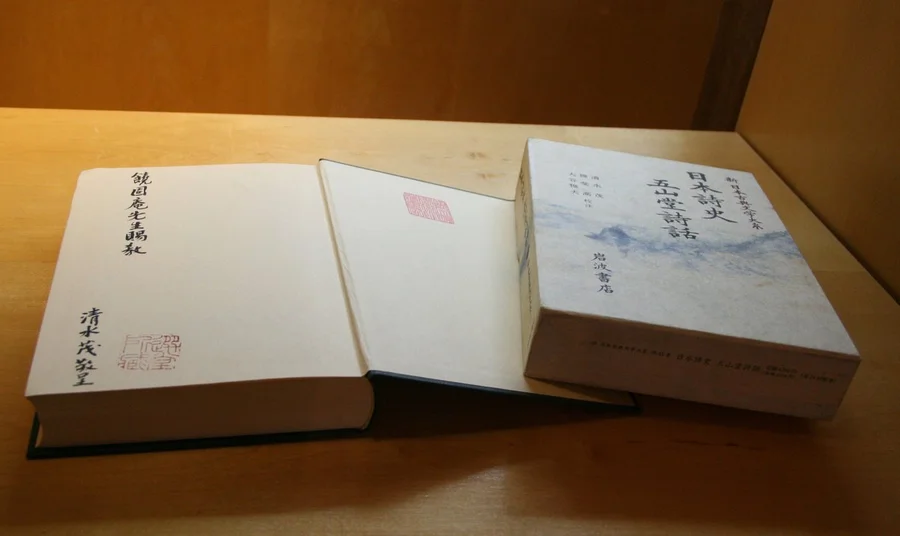
Professor Jao Tsung-I has been affiliated with the University of Hong Kong (HKU) as a scholar, poet and painter since the early 1950s. When the Jao Tsung-I Petite Ecole of theHKU was established in 2003, Professor Jao contributed two sets of donations, which can be regarded as the major portion of this academic institute. Over the years, Professor Jao has contributed over 30,000 books to HKU, including hundreds of wood board printed editions of the Ming and Qing dynasties. The other part of the contribution comprises his calligraphy, paintings and studio objects.

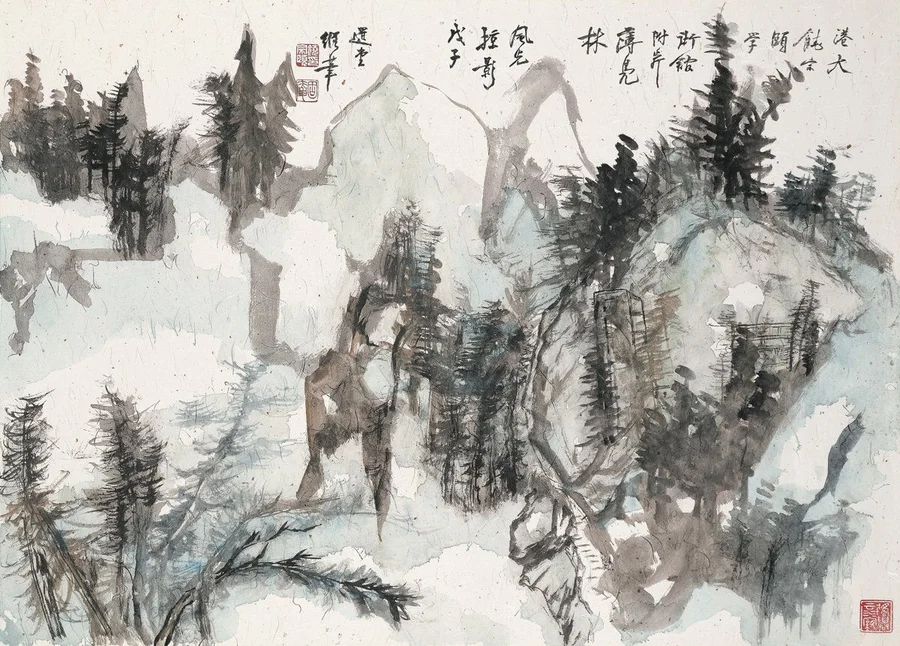
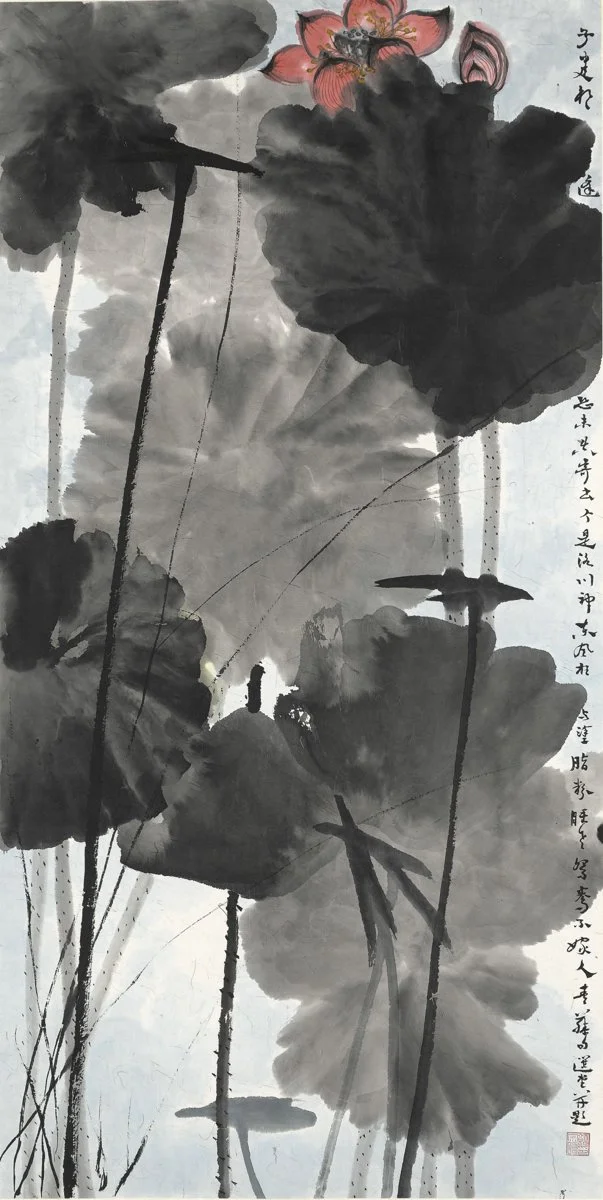
To express sincere gratitude to Professor Jao, the University Museum and Art Gallery (UMAG) presents an exhibition of the calligraphy, paintings and books (written and collected) contributed by Professor Jao from April 17 to June 23, 2013. This “Amalgamation of Scholarship and Art - Selected Artworks of Jao Tsung-I Petite Ecole's Collection” gives testimony not only to the wealth of talent and accomplishments that mark the outstanding career of Professor Jao, but also to his unparalleled generosity towards HKU and the rich donation he bestowed upon the University.  Both his literary and visual works are characteristic of the scholar’s intellectual interests, research and knowledge of Chinese classics and the history of art and literature, and his ease and versatility to adopt traditional values.
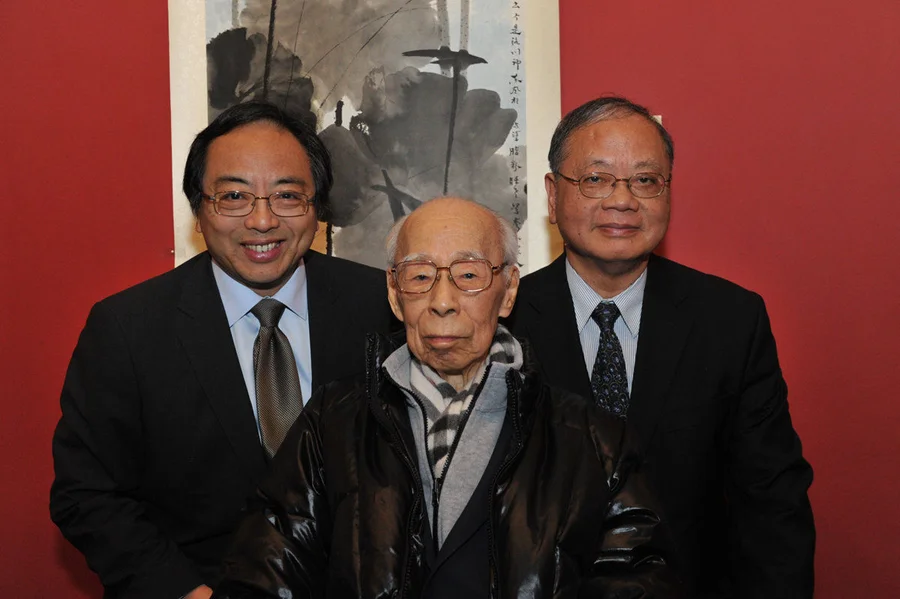
Professor Jao Tsung-I, HKU Vice-Chancellor Professor Lap-Chee Tsui, Director of Jao Tsung-I Petite Ecole Professor C.F. Lee
Professor Jao Tsung-I, HKU Vice-Chancellor Professor Lap-Chee Tsui and Director of Jao Tsung-I Petite Ecole Professor C.F. Lee

For the exhibition, Professor Jao selected his most representative works from those he created in the past decades. These artworks not only symbolize his artistic development and achievements, but exemplify the scholar artist’s accomplishments in calligraphy and painting.

Beautifully executed masterpieces in their own right, Professor Jao’s ink and water colour paintings represent a repertoire of techniques that testifies to the artist’s adaptation of styles—both thematic and practical—that allude to different schools primarily during the Tang, Song and Yuan dynasties.  Equally, the iconographic variety includes figures from Dunhuang frescos, as well as traditional landscapes and symbolic animals and flowers, such as his “Landscapes of the Four Seasons”, “Two Fish” and “Red Lotus”, which evoke the learned philosophies ever-present in the works of the scholarly artist.

Professor Jao Tsung-I, HKU Vice-Chancellor Professor Lap-Chee Tsui, Director of Jao Tsung-I Petite Ecole Professor C.F. Lee
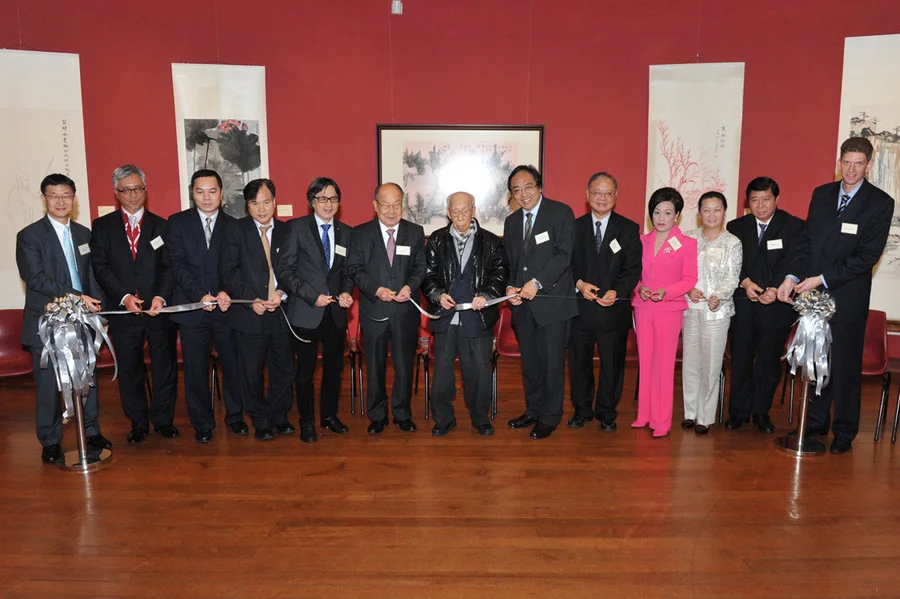
“Amalgamation of Scholarship and Art -- Selected Artworks of Jao Tsung-I Petite Ecole's Collection” exhibition opening ceremony

Professor Jao reveals his ability to innovate in the process of his art creation. Now in his 90s, he still makes strenuous efforts to develop new directions in the realms of calligraphy and painting. Neither being limited by the regulations of painting and calligraphy nor by the boundary between Chinese and Western painting, Professor Jao consummately wields calligraphy and painting instruments and techniques, which are presented through his ancient character calligraphy, forceful running-cursive script calligraphy, Northwestern School landscape painting style, pioneering Dunhuang sketch technique, and tremendous momentum in lotus paintings.

Professor Jao’s literary works include poems and calligraphic couplets reminiscent of his studies of Chinese art and literature, and they undoubtedly found their own significant place in Chinese art history.  The artist transcribes—both verbally and in stylistic manner—the texts of celebrated writers, highlighting not just their historical significance, but their continuous importance in our era. 

Professor Jao Tsung-I’s oeuvre demonstrates his advocacy of Chinese history, art and culture, and HKU is deeply indebted for his generosity to share the ongoing educational value and inherent beauty of his scholarship and art. He is unquestionably playing an important role in contemporary art history.

Selected collections : 

Share