Global warming increases the amount of moisture that evaporates from land and water, leading to drought in most parts of the world. In drier regions, evapotranspiration produces periods of drought that lowers the water level in rivers, lakes, and groundwater, and reduces soil moisture in agricultural areas. As global temperature rises, the land mass affected by drought is expected to increase, with potentially devastating consequences for agriculture.
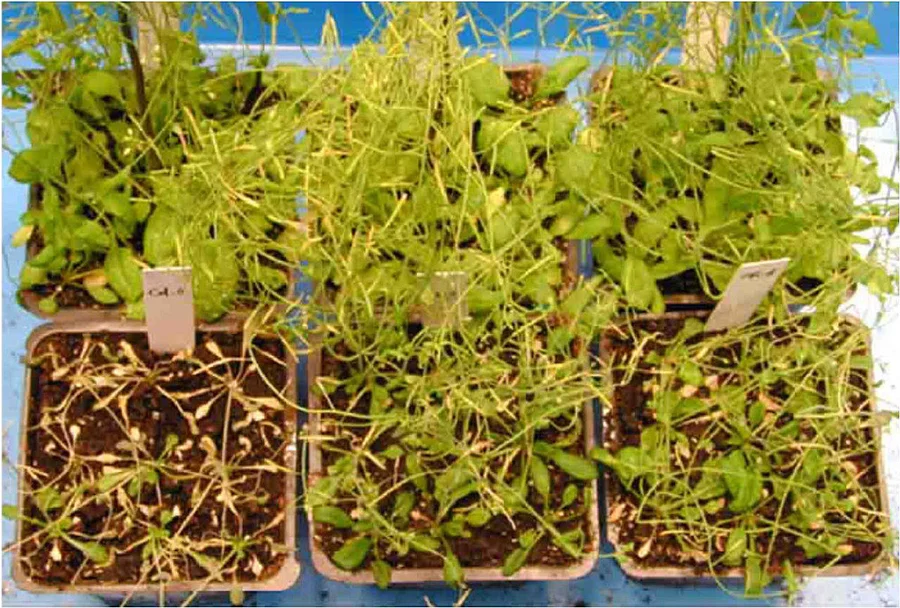
In recent years, scientists have been researching on how to improve drought resistance in plants, so as to enhance growth and productivity of crops in dry weather conditions. A ground breaking technology from the University of Hong Kong (HKU) may provide a solution to this problem on drought stress. The technology, currently with patent pending in different countries, has just been licensed to an internationally recognized agricultural company specializing in the development of new varieties of the oil crops Camelina sativa.