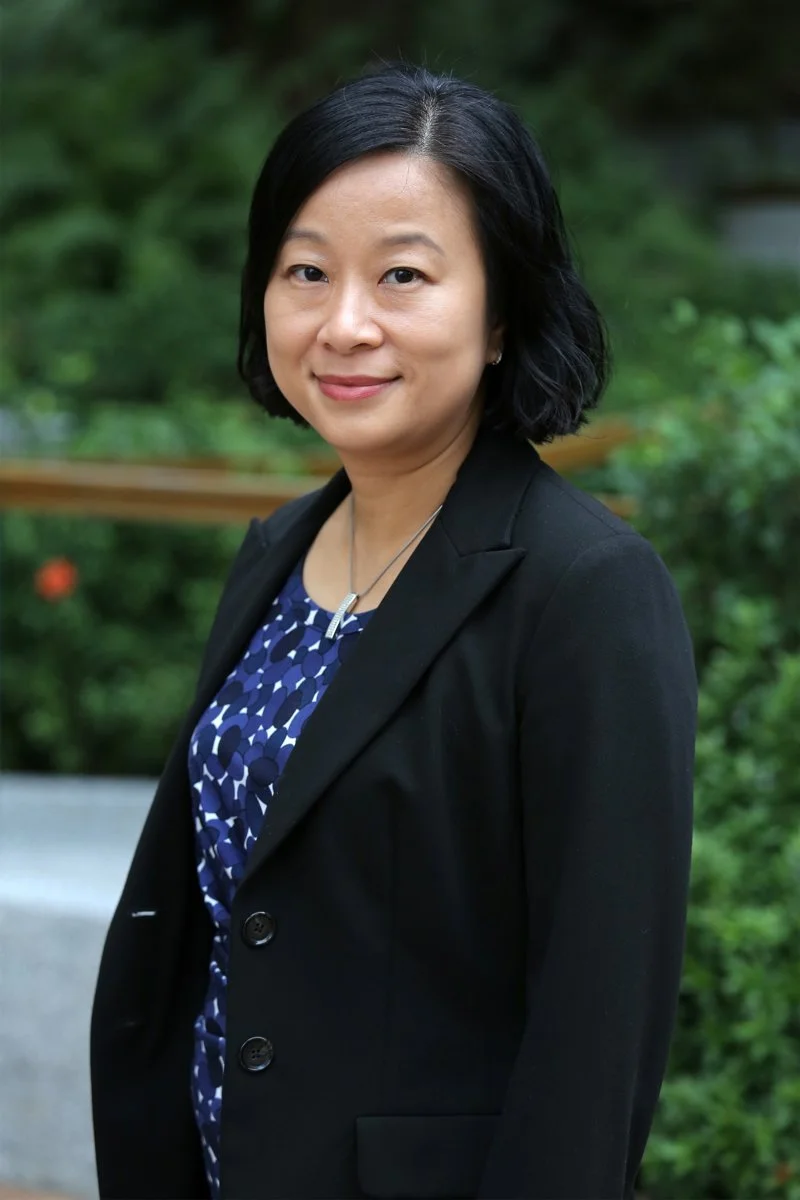
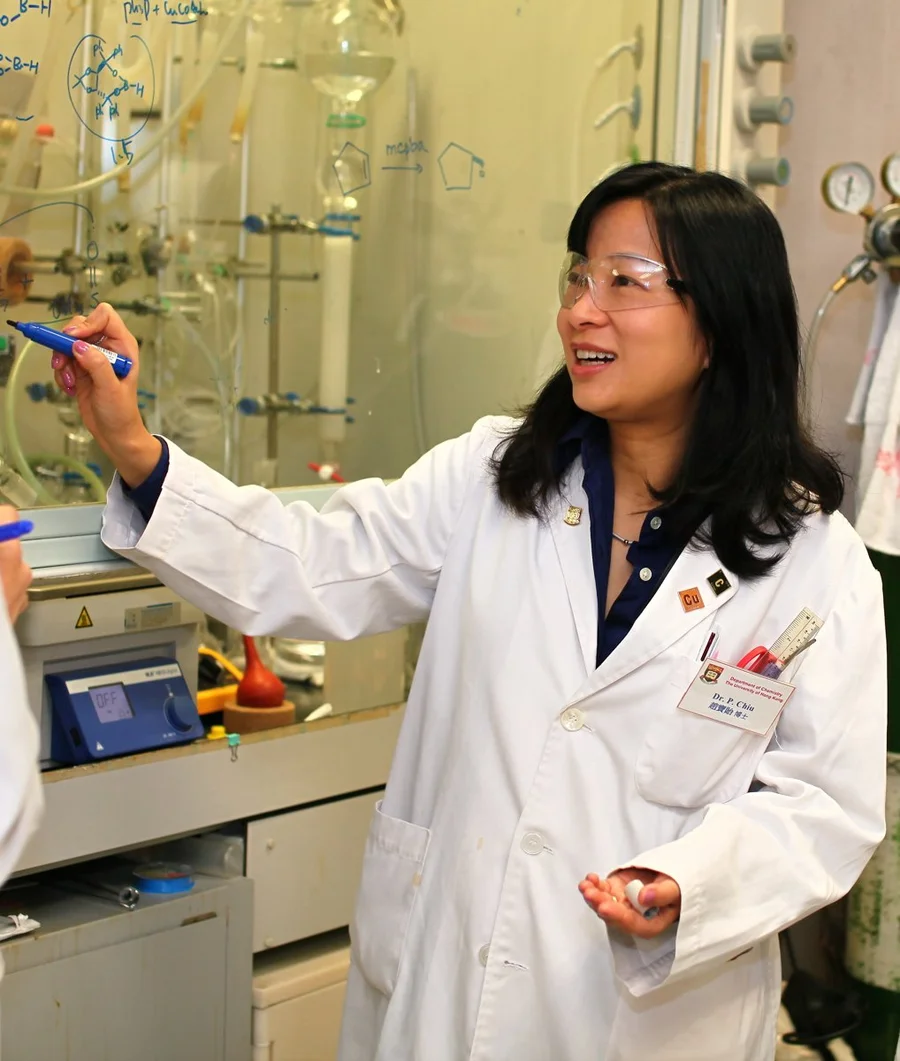
A team of researchers led by Professor Pauline Chiu from Department of Chemistry, the University of Hong Kong, has successfully achieved a formal total synthesis of cortistatin A, a molecule which could help mitigate the growth of cancer tumours. The findings were published in Chemistry-A European Journal recently. This novel strategy of synthesizing the molecule was deemed to be “highly important” by the refereeing panel, and usually less than 10% of manuscripts receive such a positive review.
Cancer is a disease characterized by an abnormal and unregulated growth of cells. Nevertheless, cancer tumours cannot grow larger than two millimetres unless it is accompanied by angiogenesis, which is a development of the blood vessel network needed to nourish the tumour and enable it to metastasize. Thus, angiogenesis-inhibiting molecules could help to mitigate the growth of cancer tumours. Currently, Avastin® is an anti-angiogenic drug in clinical use for the treatment a range of cancers. Cortistatin A is a natural product isolated from an Indonesian marine sponge that has been shown to have potent anti-angiogenic activity at low dosages. Apart from being a lead compound in the development of anti-cancer therapies, a derivative of cortistatin A has also been found to be a powerful anti-HIV agent.
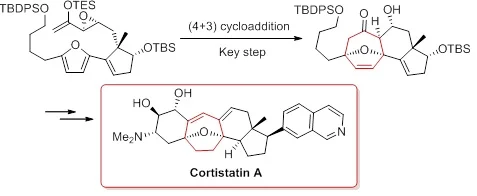
It is difficult to harvest Cortistatin A from natural sources, and thus its laboratory synthesis is a way to obtain quantities of it for further research and drug development. Professor Chiu’s strategy to this molecule, implemented together with two PhD students Kuang Liping and Liu Lok-lok, applied a (4+3) cycloaddition reaction which was developed and optimized in her lab to make the central seven membered ring structure (see Figure 1 below).