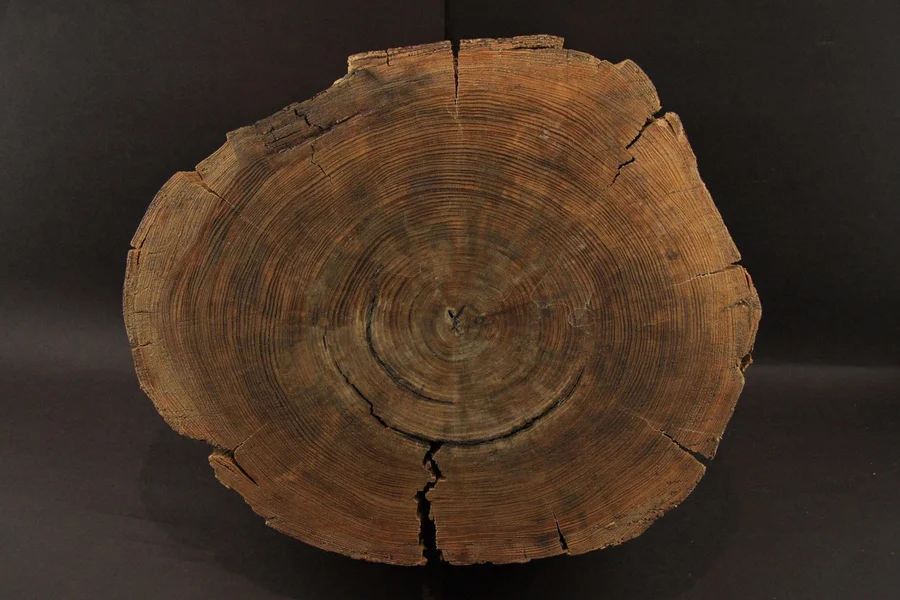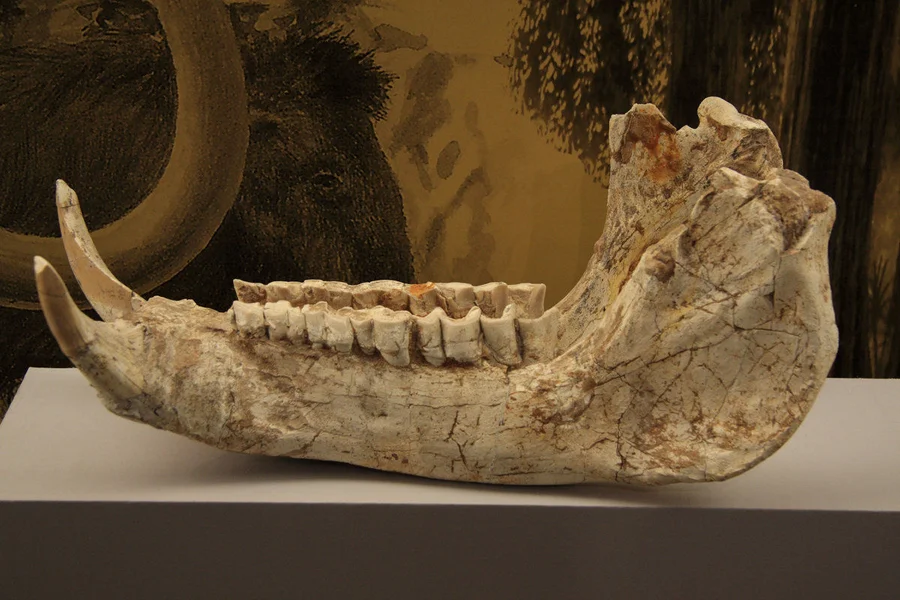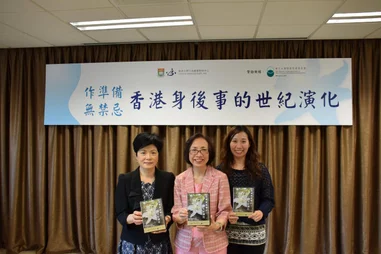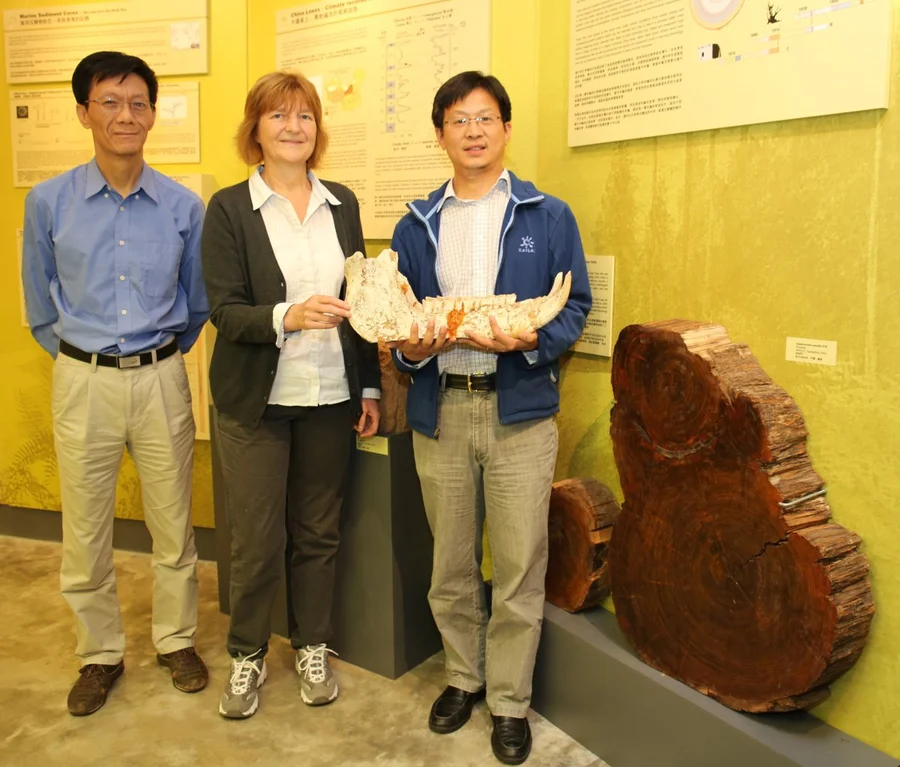
Curator of HKU Stephen Hui Geological Museum Dr. Petra Bach and two climate change experts of the Department of Earth Sciences Dr. Liu Zhonghui (right) and Professor Zong Yongqiang (left) explain the research behind the “Cenozoic Climate Change” exhibition through displaying ancient tree rings, ancient rhinoceros paradise fossil and other exhibits.
The Stephen Hui Geological Museum of the University of Hong Kong (HKU) will launch a new permanent exhibition on “Cenozoic Climate Change” on Earth Day (tomorrow, April 22, 2015). The Cenozoic Era is the most recent geological period which spans from about 65 million years ago (Ma) to present. The Cenozoic is sometimes called the Age of Mammals because the extinction of dinosaurs at the beginning of the Cenozoic allowed mammals to greatly diversify and grow in size during this time. A media tour was held today (April 21, 2015) with the curator of the Museum Dr. Petra Bach and two climate change experts of the HKU Department of Earth Sciences Dr. Liu Zhonghui and Professor Zong Yongqiang joined the briefing to explain the research behind.
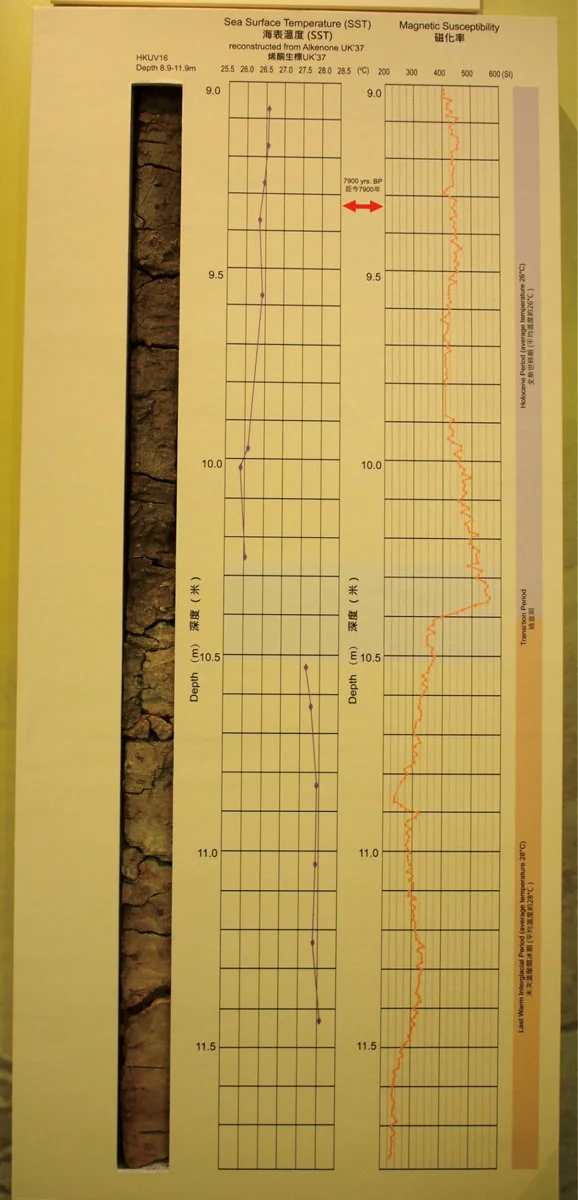
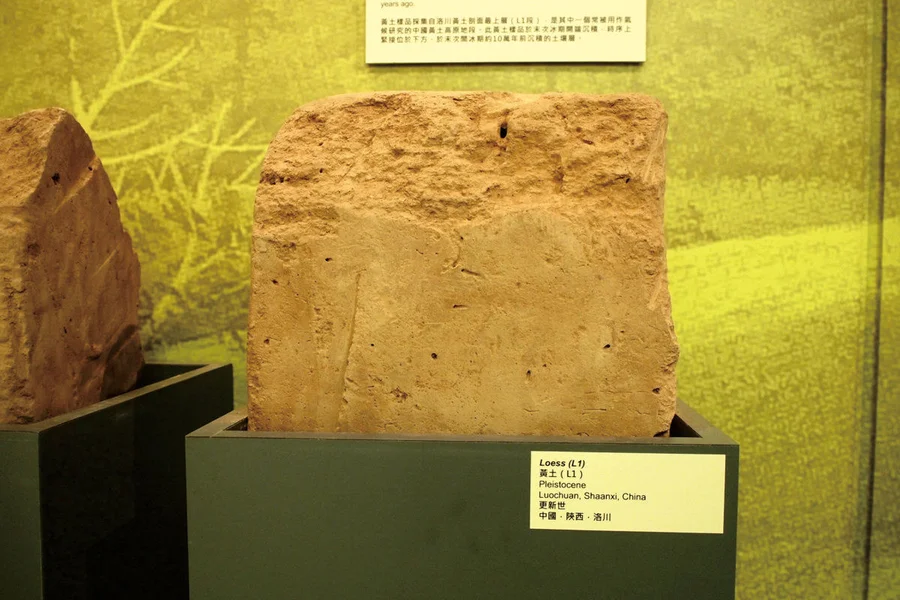
Paleoclimate proxies including marine sediments, loess, tree rings and marine microorganisms are displayed together with an ice core replica for the first time in Hong Kong to introduce scientific methods applied to read past global and regional climate records and to reconstruct the last 65 million years of global climate change.
Through the study and analysis of such information, scientists hope to gain more understanding of the relationship between past and future climates and on how human activity might impact climate change in the future.
Highlights on display:
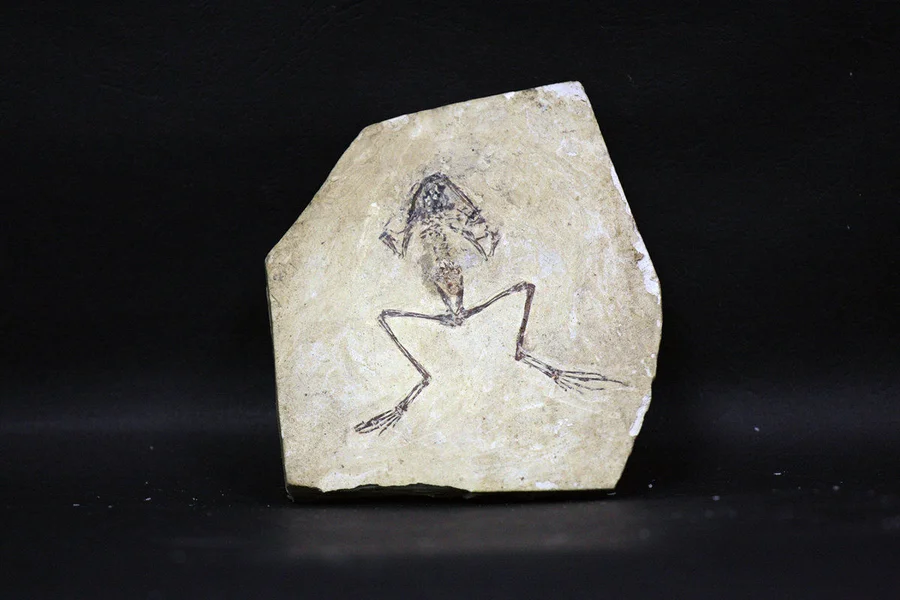
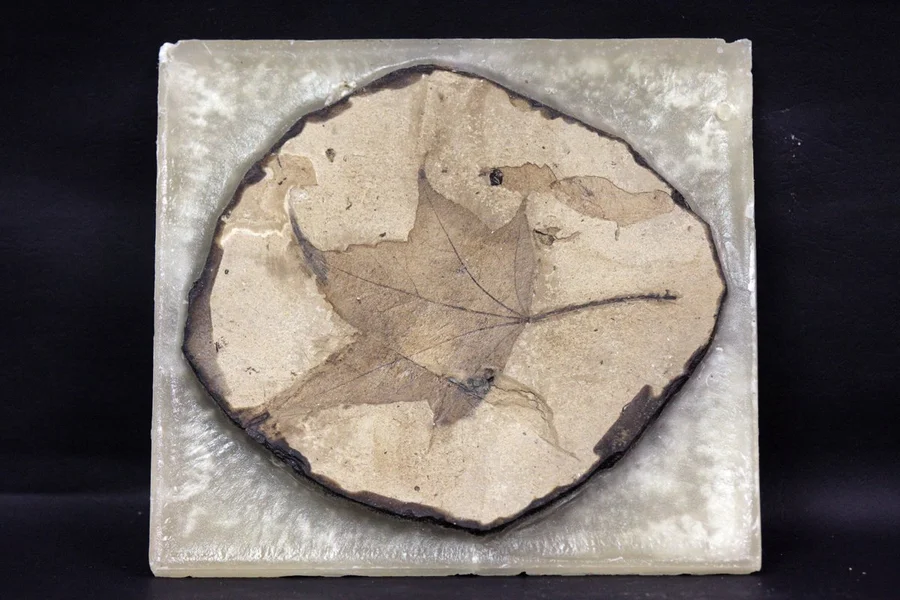
The 2x10m long display comprises themes such as Clues to Past Climates, From Greenhouse to Icehouse and Human Impact supplemented with authentic fossils from world renowned fossil sites in China.
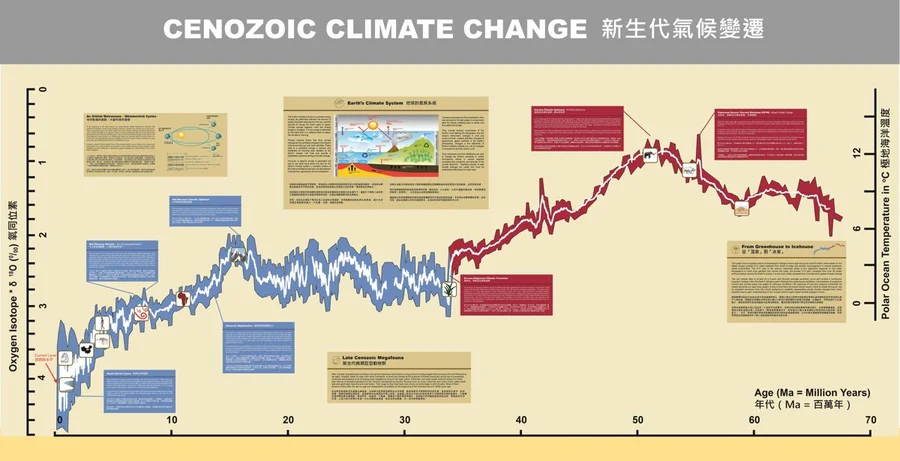
A large-scale 3-D climate change graph
The graph demonstrate the most widely accepted and scientifically cited evidence for global climate change during the last 65 million years of Earth history based on stable oxygen isotope records derived from marine microorganisms. It invites to explore and reflect on the relationship of our present-day climate conditions with that of the past.