Women’s Psychological Well-being during IVF Cycle
In the years of 2013-2015, the Department of Social Work and Social Administration and the Department of Obstetrics and Gynaecology have jointly conducted the first longitudinal study in Hong Kong, examining the anxiety and depression levels among infertile women who failed their unsuccessful IVF cycles(1). 151 women have participated and completed a set of psychosocial measurements on their psychological well-being immediately after an unsuccessful treatment (T0), one month later (T1) and 3 months afterwards (T2) (Table 2).
Results found that 39.1% of patients reported symptoms of anxiety at T0 (Scored 8 or above in the Anxiety score at T0), which warranted clinical attention. Their anxiety levels remained almost the same in the subsequent months (34.4% at T1 and 34.5% at T2). On the other hand, 18.6% of patients reported symptoms of depression at T0 (Scored 8 or above in the Anxiety score at T0), and their depression levels remained steady in the subsequent months (20.5% at T1 and 17.9% at T2). It implied that some patients undertaking the treatment may not be able to adjust to treatment failure, which might potentially turn into long-term psychological distress. Supportive interventions in facilitating better post-treatment adjustment and enhance stress coping strategies during infertility treatments are deemed necessary.
Table 2. Levels of Anxiety and Depression after Successful IVF Cycle
|
|
Anxiety Level [N (%)] |
Depression Level [N (%)] | ||||
|
|
T0 |
T1 |
T2 |
T0 |
T1 |
T2 |
|
Clinical Caseness(a) (>11) |
32 (21.2%) |
21 (13.9%) |
19 (12.6%) |
9 (6.0%) |
10 (6.6%) |
9 (6.0%) |
|
Borderline(a) (8-10) |
27 (17.9%) |
31 (20.5%) |
33 (21.9%) |
19 (12.6%) |
21 (13.9%) |
18 (11.9%) |
|
Normal(a) (<8) |
92 (60.9%) |
99 (65.6%) |
99 (65.6%) |
123 (81.5%) |
120 (79.5%) |
124 (82.1%) |
(a) Captured by the Hospital Anxiety and Depression Scale
Availability of Psychosocial Intervention Programs on Infertility and ART in Hong Kong
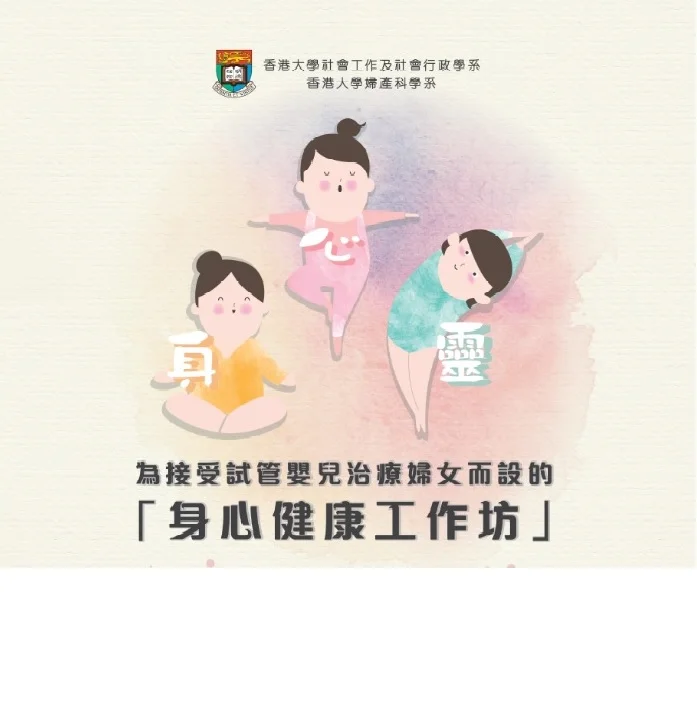
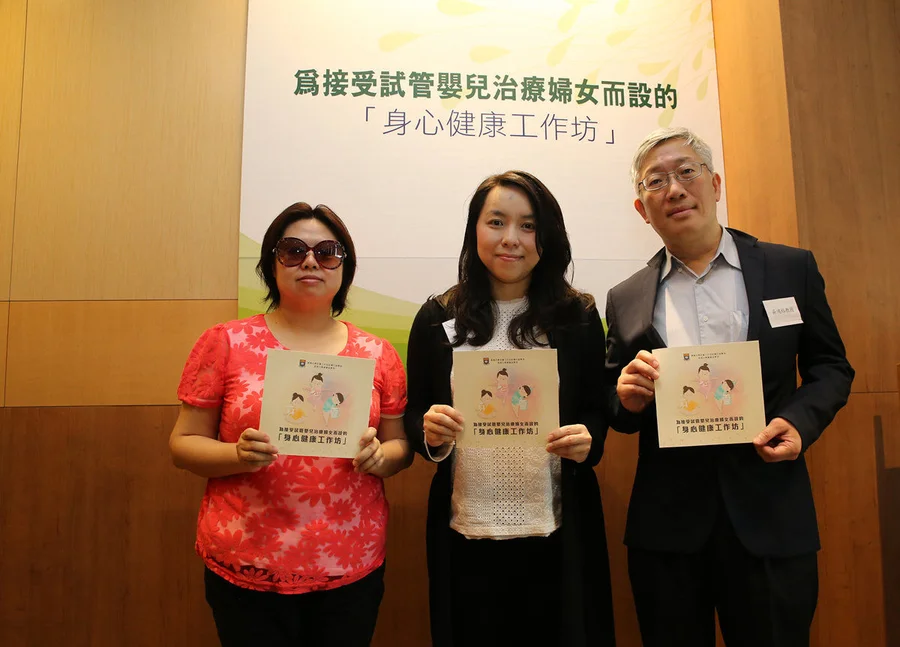
Unlikely other countries (e.g. Canada, Australia, UK) where mandatory counselling for people undergoing ARTs are required by legislation, counselling services for infertile couple undergoing infertility treatment in Hong Kong are mostly provided on needs basis. In response to the service gap, since 2001, the two HKU Departments established psychosocial support services, which support couples throughout the course of IVF treatment at the ART clinic, and developed a body-mind psychosocial intervention for the better health of infertile patients. The psychosocial intervention model has been proven effective in enhancing patients’ physical and psychological adjustment to infertility and related treatments(2)(3).
Waiting for Pregnancy Test: The Most Stressful Period in IVF
Waiting for the pregnancy test during fertility treatment can be particularly stressful because distress and intrusive cognitions about the nature and implications of the result can reduce quality of life. The stress level of women undergoing IVF rises to the peak during the two-week waiting period between embryo transfer and the pregnancy test. With no treatment-related activities, women often feel helpless and loss of control. Moreover, the unpredictability of treatment outcome exacerbates the uncertainty towards the future, resulting in excessive anxiety and emotional distress.
The waiting period is often associated with negative anticipatory anxiety and rumination about the outcome of treatment. Evidence showed that self-help coping interventions are acceptable and feasible interventions to help minimise the strain of waiting for the pregnancy test result during fertility treatment. Simple low cost self-help coping intervention is welcomed by patients who prefer to stay home during the waiting period in an IVF treatment(4).