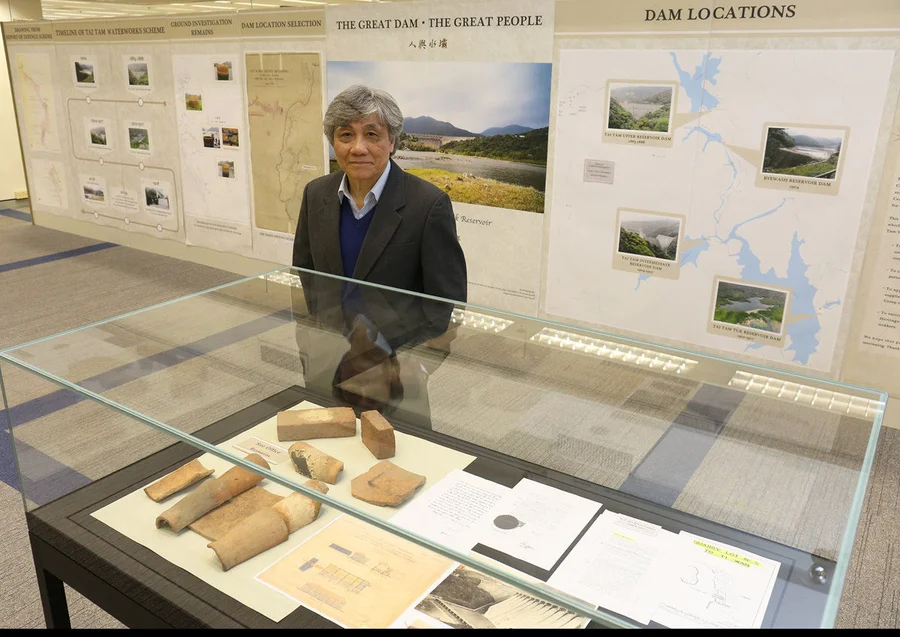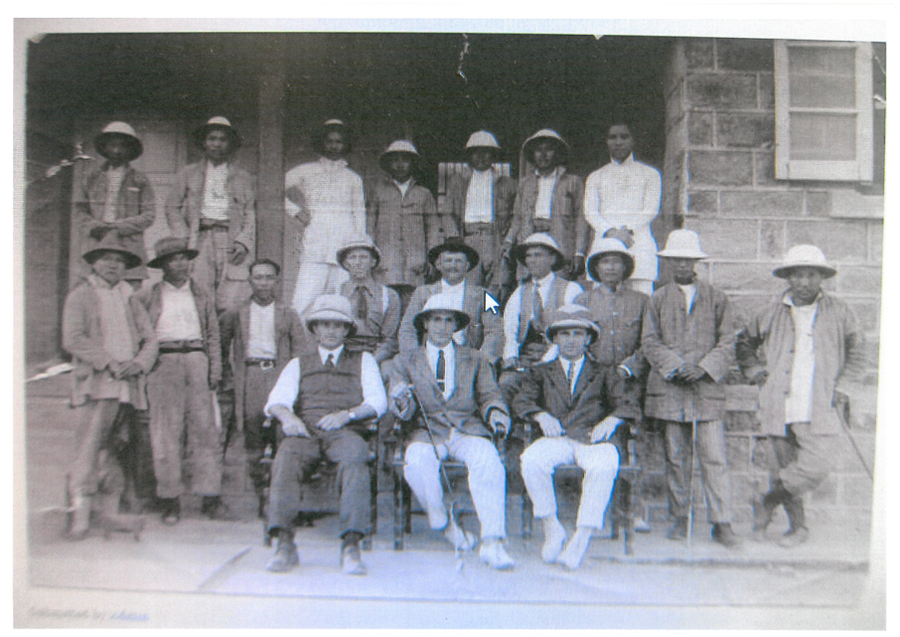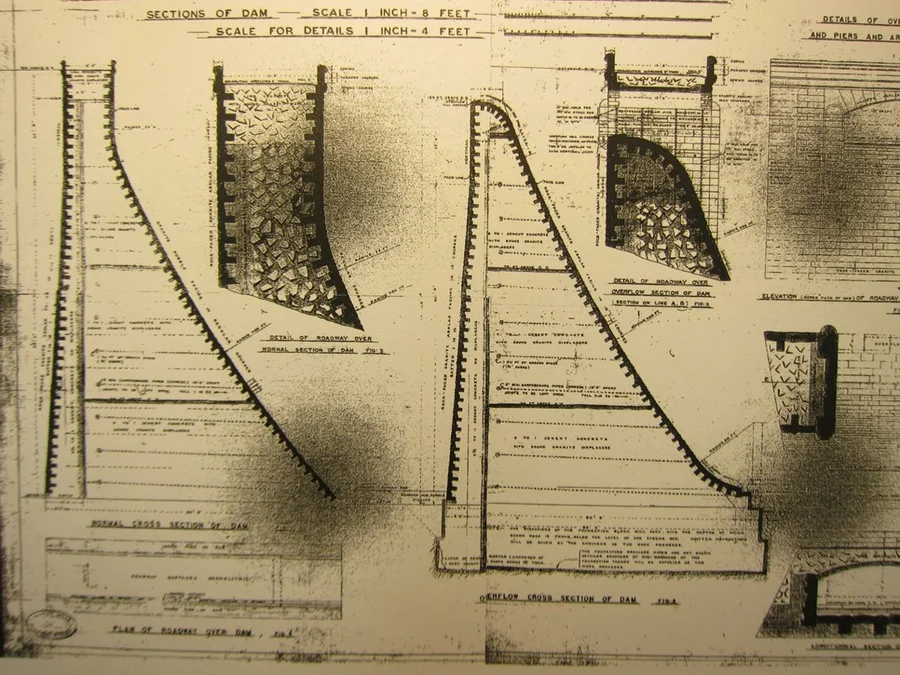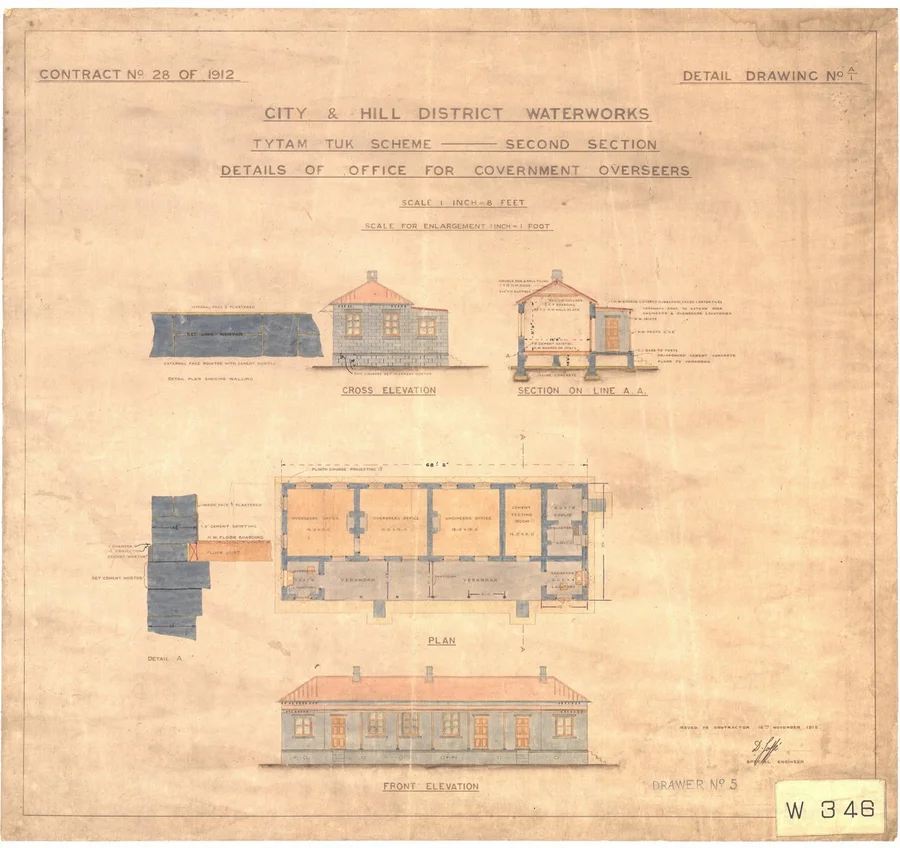
The year 2018 marks the centenary of the construction completion of the Tai Tam Tuk Reservoir Dam, which was the largest in scale among the British Commonwealth upon its completion.
The Dam was built as a major project of the Tai Tam Reservoir Scheme which comprised the construction of the largest group of reservoirs on the Hong Kong Island between 1883 and 1918. By far, many of these heritage waterworks have been declared as monuments by the Hong Kong SAR Government.
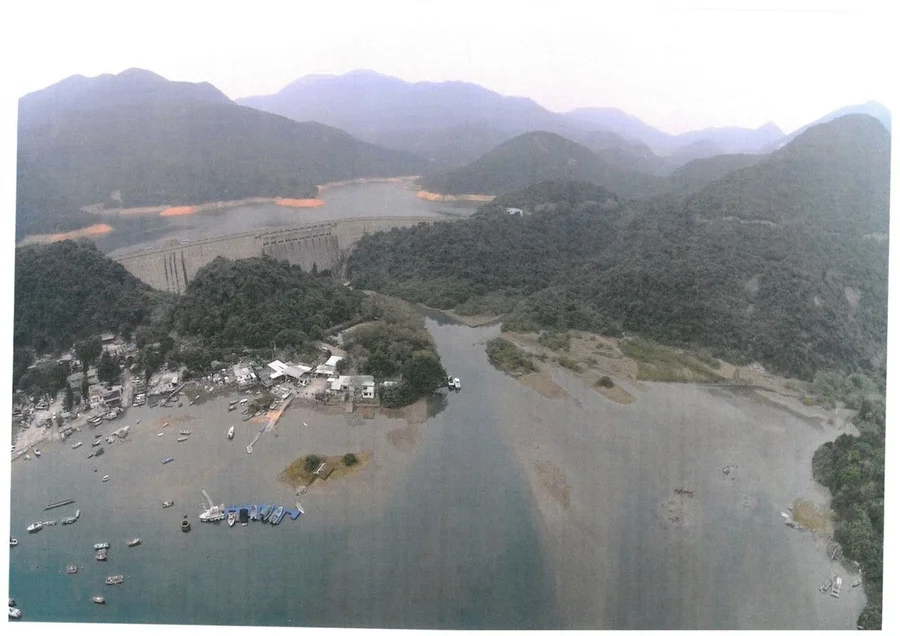
Tai Tam Harbour is situated at the estuary of Tai Tam Tuk on the south-east of the Hong Kong Island. Tai Tam Tuk Reservoir is the last but the largest of the four impounding reservoirs of Tai Tam Waterworks Scheme. Also known as Tai Tam Reservoir Group, the four reservoirs boast a total freshwater storage capacity of 6.2 million cubic metres.
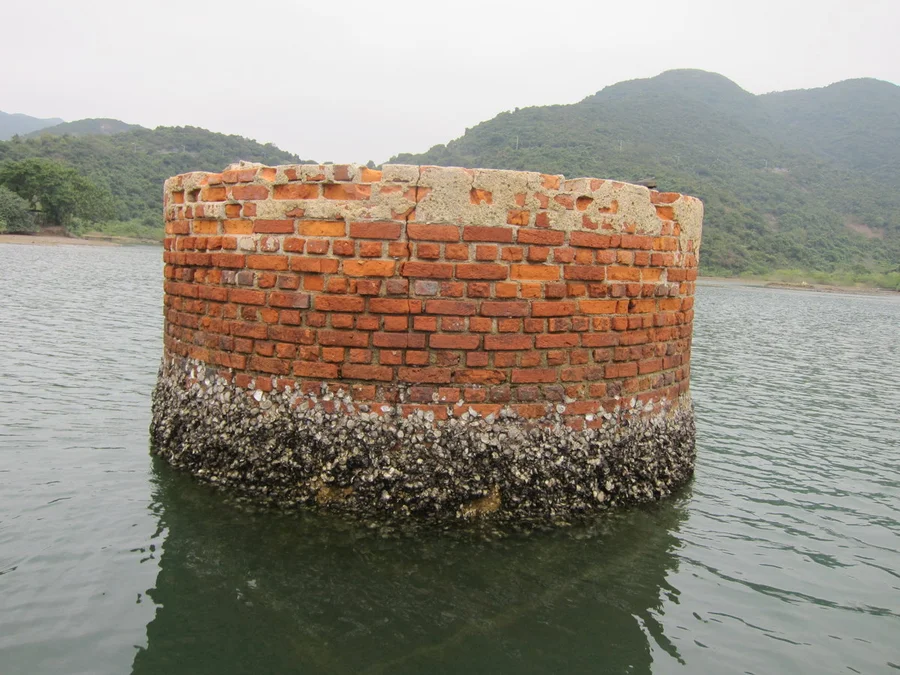
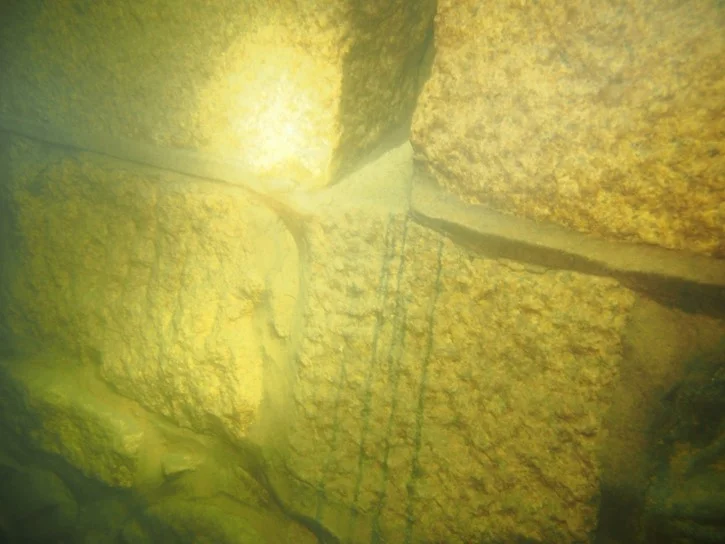
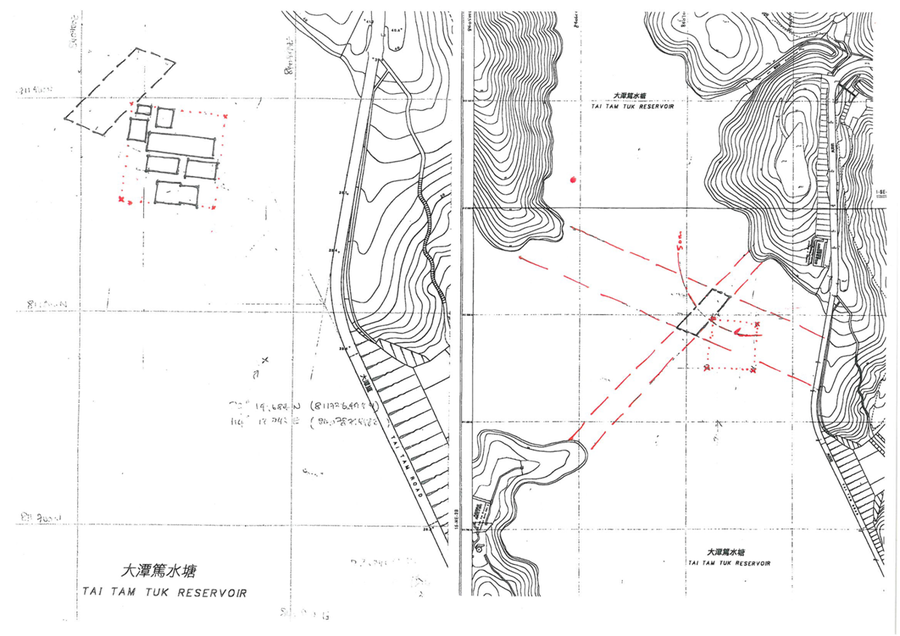
The construction of the Tai Tam Tuk Reservoir Dam (the Dam) was first proposed in the late nineteenth century but was postponed because of the sophisticated ground conditions and the lack of finance. In the sea still remained the original hand-dug caissons at Tai Tam Harbour – by far the only archaeological evidence of ground investigation carried out more than one hundred years in Hong Kong.
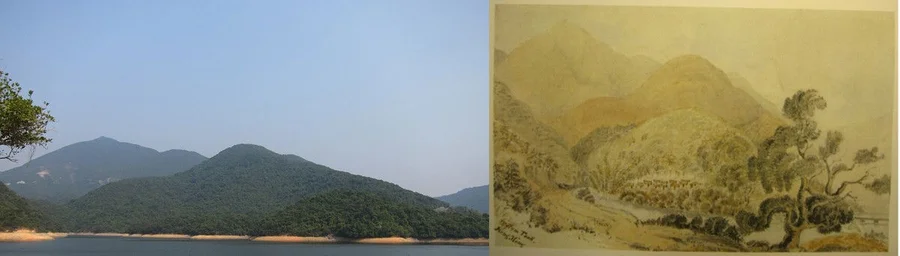
Before the reservoirs were built, the route from the city to Tai Tam Tuk was one of the most beautiful trails for tourists in the nineteenth century. Still today, the route connecting the reservoirs constitutes one of the most well-travelled heritage trails in Hong Kong for both local and overseas country park trekkers.
The construction of the impounding reservoir had led to the re-settlement of the Tai Tam Tuk Villagers and the first-ever submerged village during reservoir construction in Hong Kong. Dr. James Hayes had interviewed a couple of villagers, the findings of which were recorded in his book “The Rural Communities of Hong Kong – Studies and Themes”, published in 1983.