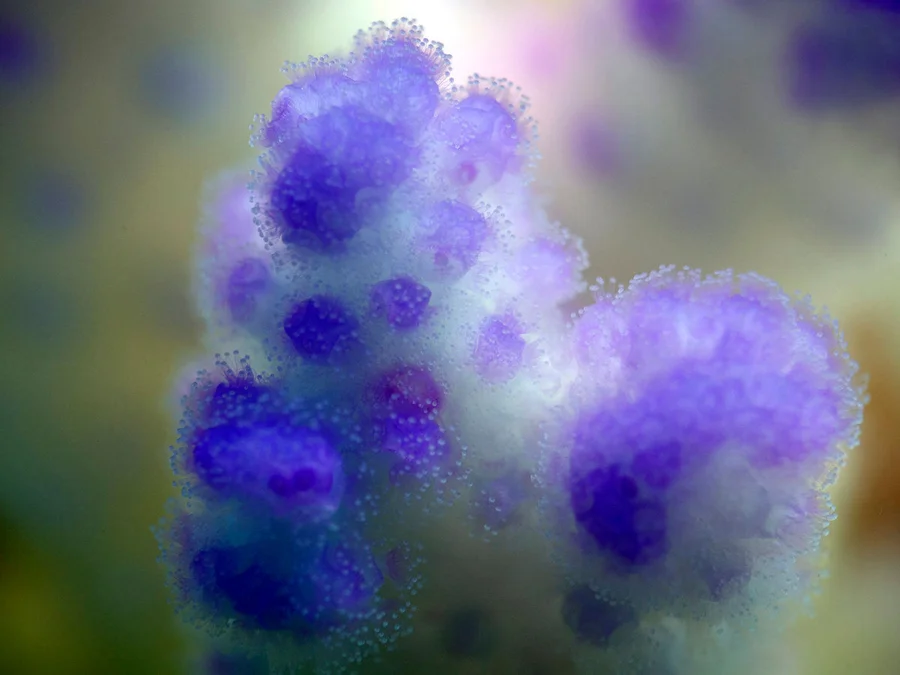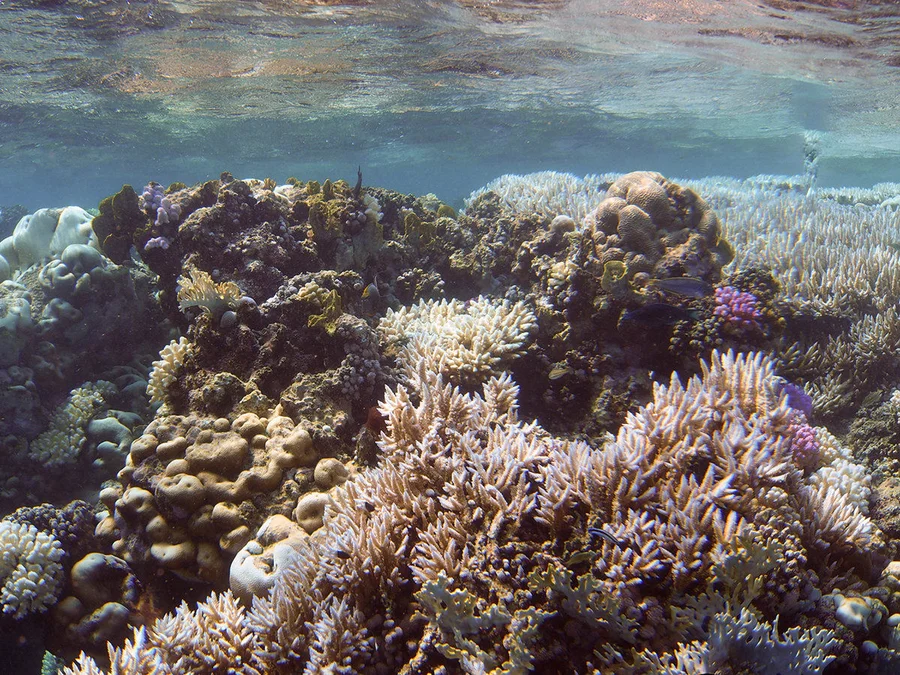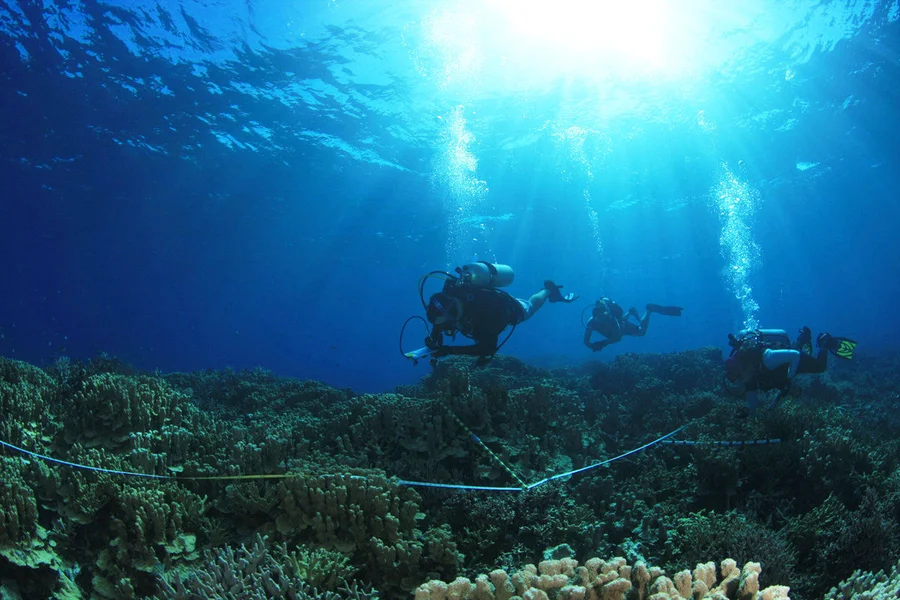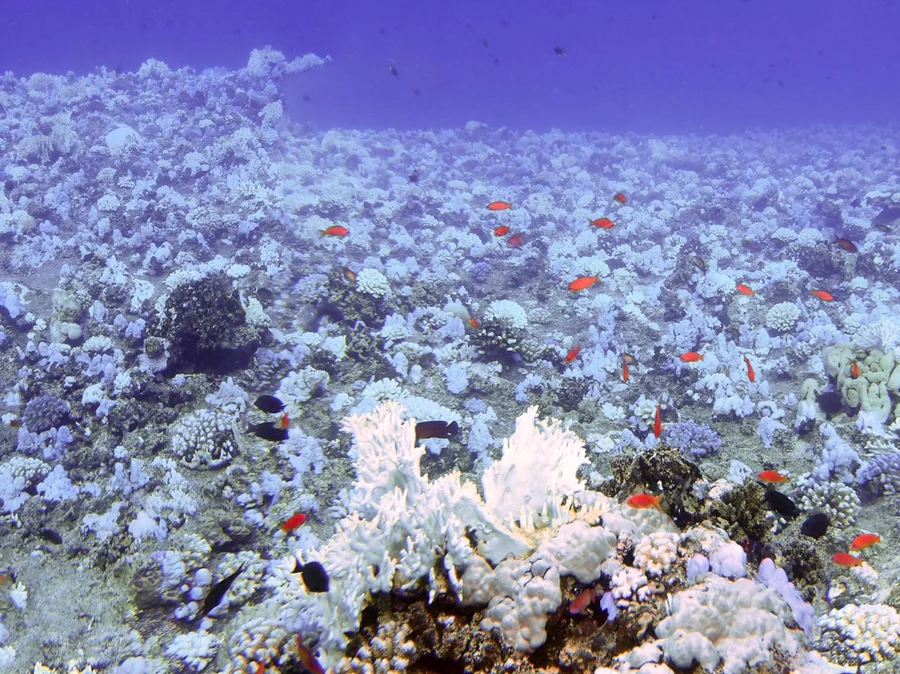
New research of the University of Hong Kong (HKU) published online in The ISME Journal shows that climate change may lead to coral bleaching in an unexpected way: it makes corals’ symbiotic algae “greedy”.
Corals exposed to warm water burn more energy, a natural sign of stress in a marine invertebrate. Their partner alga, called Symbiodinium, are thought to suffer and escape the coral host when ocean temperatures exceed 32ºC in a process that reveals coral’s bright white skeleton underneath: also known as bleaching. Without their algae, which provide up to 95% of the energy needs, corals would starve and die.
Dr David Baker and his team from the HKU Swire Institute of Marine Science revealed that instead of suffering with their coral hosts, Symbiodinium were even happier at higher temperatures. In fact, they were less affected by warm water and they even exploited their coral host for their own survival.
In the symbiotic relationship of corals and algae, corals provide space/refuge and nutrients for algae to grow. In return, algae recycle wastes from corals and convert them into usable forms (sugar and proteins) for corals to survive, through photosynthesis. In other words, carbon and nitrogen are the “currency” traded in the coral symbiosis.