Acidification of the world’s oceans could drive a cascading loss of biodiversity in some marine habitats, according to research published recently in Nature Climate Change.
The work led by biodiversity researchers from the University of British Columbia (UBC) and with contributions from colleagues in the University of Hong Kong (HKU) as well as in the U.S., Europe, Australia and Japan, combines dozens of existing studies to paint a more nuanced picture of the impact of ocean acidification.
It has been known for some time that there will be big losers and some winners with climate change and ocean acidification, both driven by increasing carbon emissions.
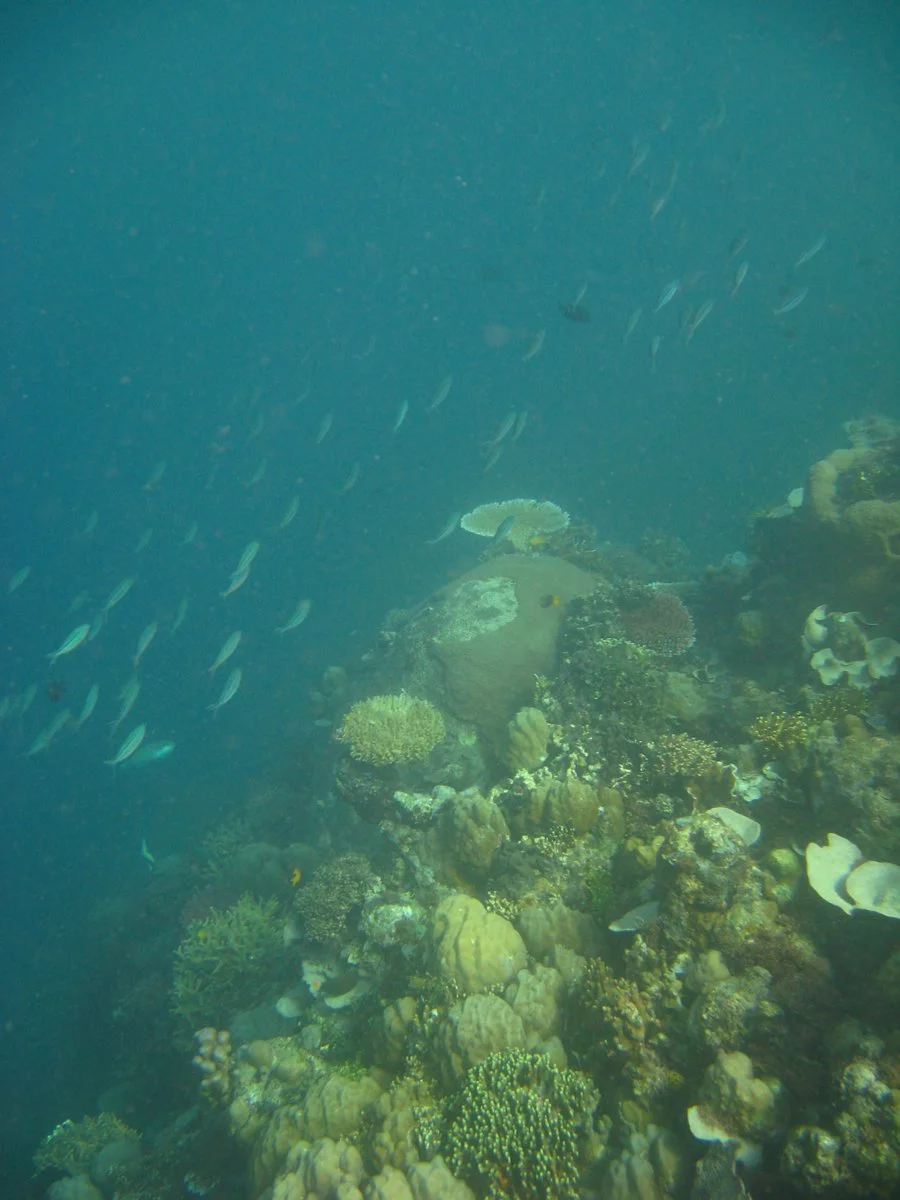
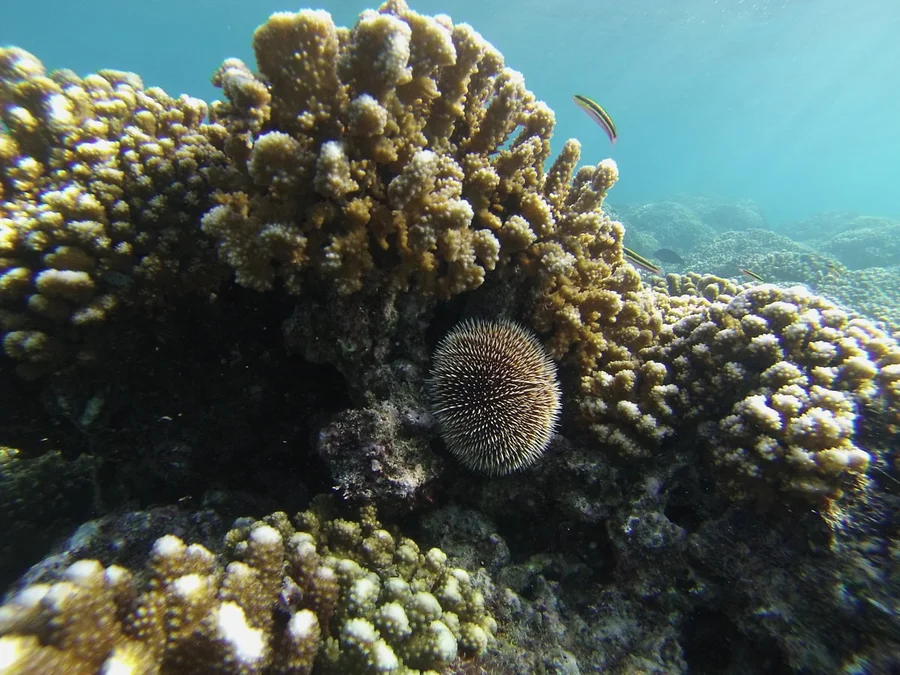
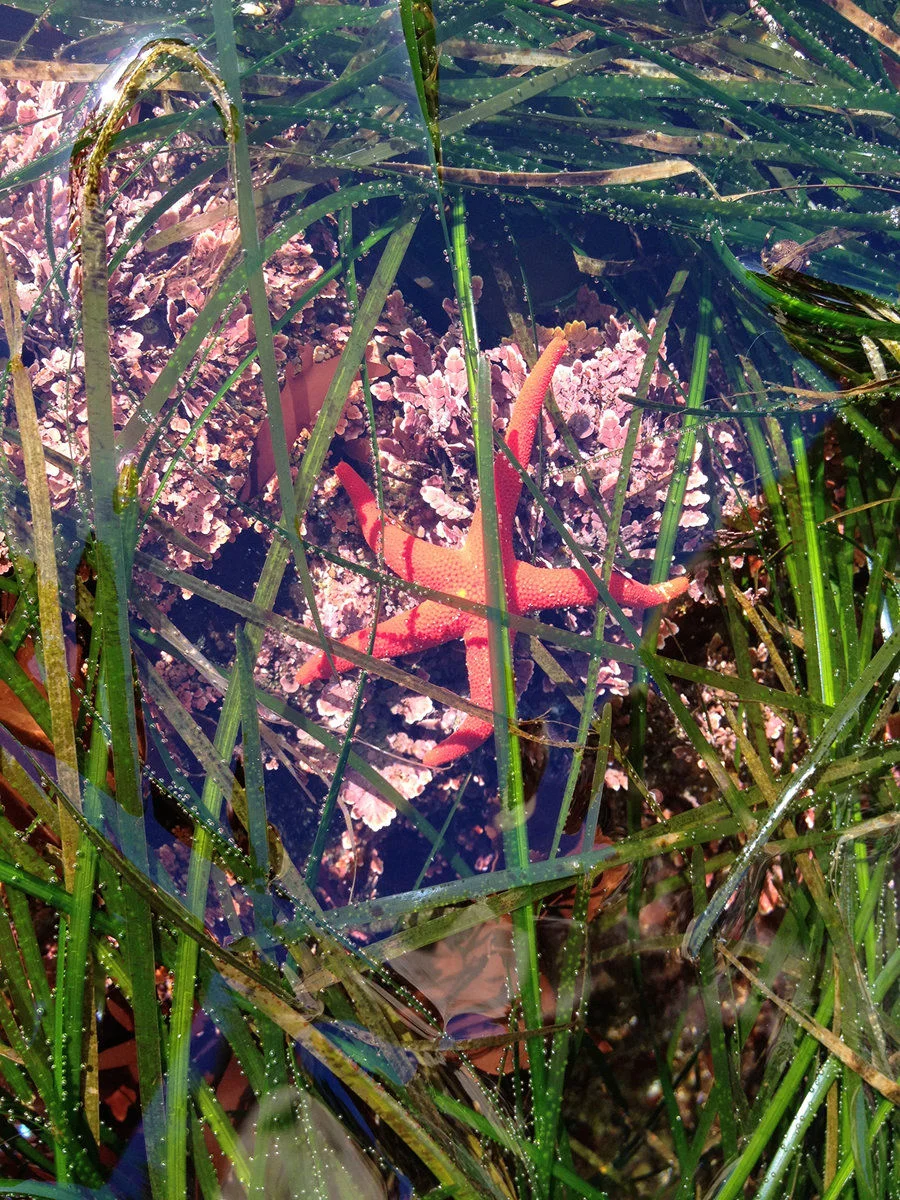
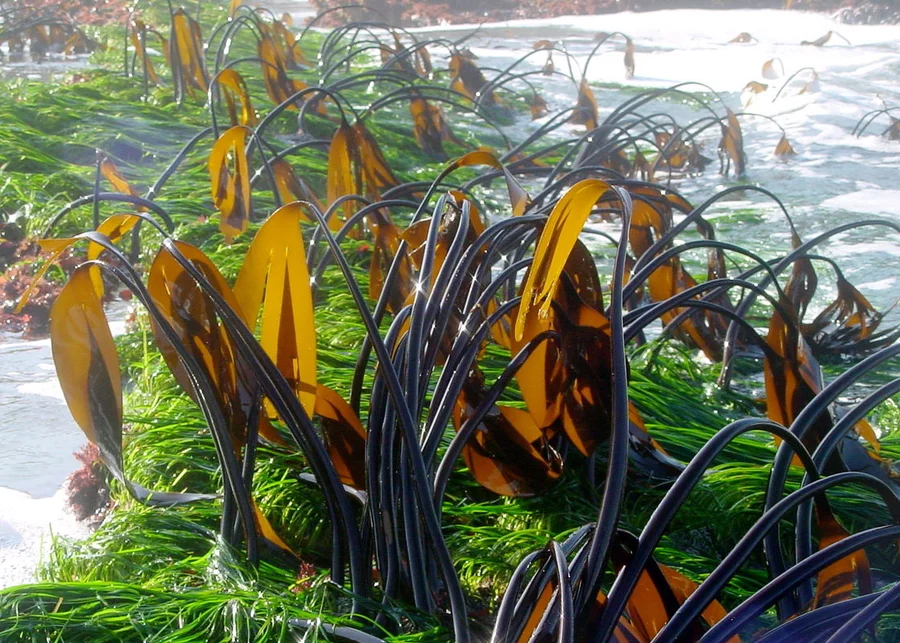
While most research in the field focuses on the impact of climate change and ocean acidification on individual species, this new work focused on the impact of ocean acidification on living habitats, such as coral reefs, mussel beds, kelp forests and seagrass meadows that form the homes of thousands of marine species. The researchers used observations of altered habitats around the world to make predictions about how changes in these habitats brought on by ocean acidification will impact the number of species that each habitat can support.
The researchers combined data and observations from 10 field studies that measured the impact of underwater volcanic vents, which release carbon dioxide and mimic the conditions of future ocean acidification, on the density of habitat-forming species. They combined these data with 15 studies looking at how changes in habitat typically impact local species to make their predictions.
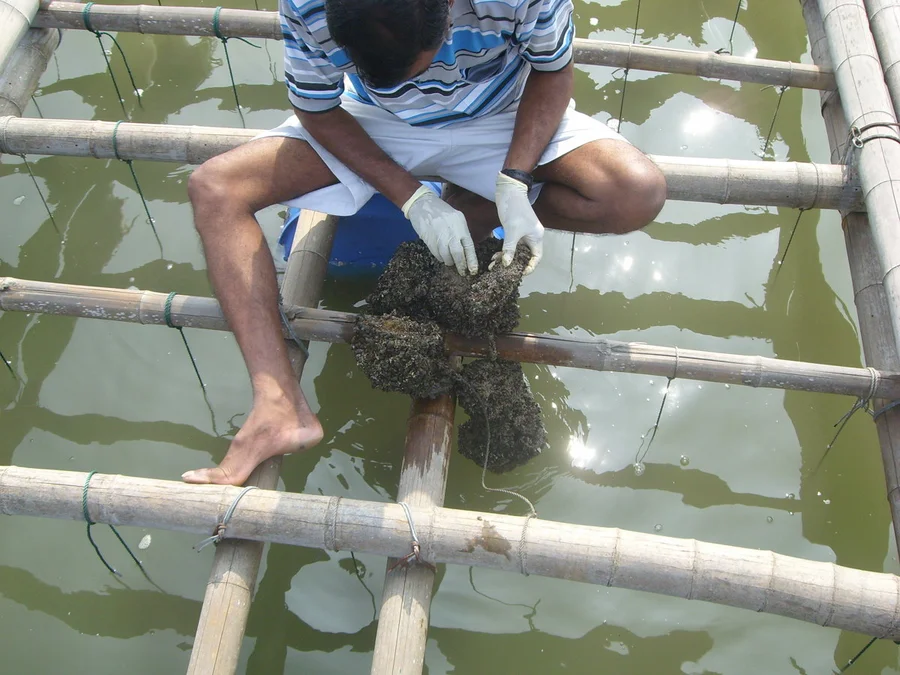
“Not too surprisingly, species diversity in calcium carbonate-based habitats like coral reefs and mussel beds were projected to decline with increased ocean acidification,” said UBC zoologist and biodiversity researcher Dr. Jennifer Sunday, who led the study. Species that use calcium carbonate to build their shells and skeletons, like mussels and corals, are expected to be particularly vulnerable to acidification.
Large declines in coral reef biodiversity expected
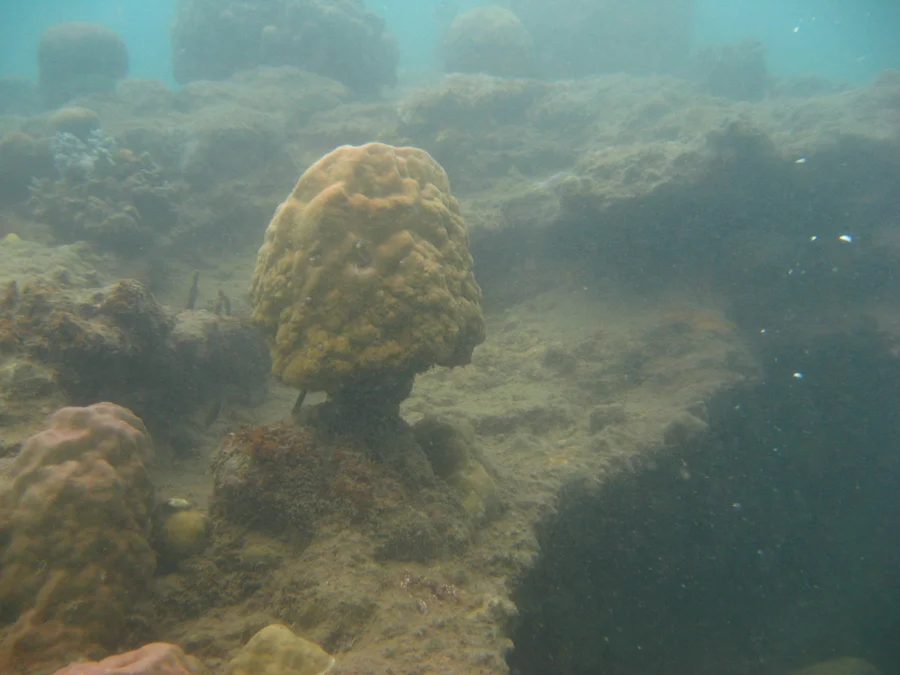
“We know from locations where volcanoes acidify the seawater that the structure of coral reefs could be dissolved by future ocean acidification and that this loss of habitat will cause large declines in reef biodiversity,” said Dr Bayden Russell, a researcher at The Swire Institute of Marine Science (SWIMS), HKU, and co-author on the paper.
The researchers were able to test their predictions against real-world data from two sites: a coral reef near Papua New Guinea and a group of seagrass beds in the Mediterranean, both where carbon dioxide from active volcanos acidifies the ocean. In the case of the coral reef, the diversity and complexity of marine life in the area decreased as acidification increased. Despite predictions that the seagrass beds would fare well under increased levels of carbon dioxide, no increases in biodiversity was observed.