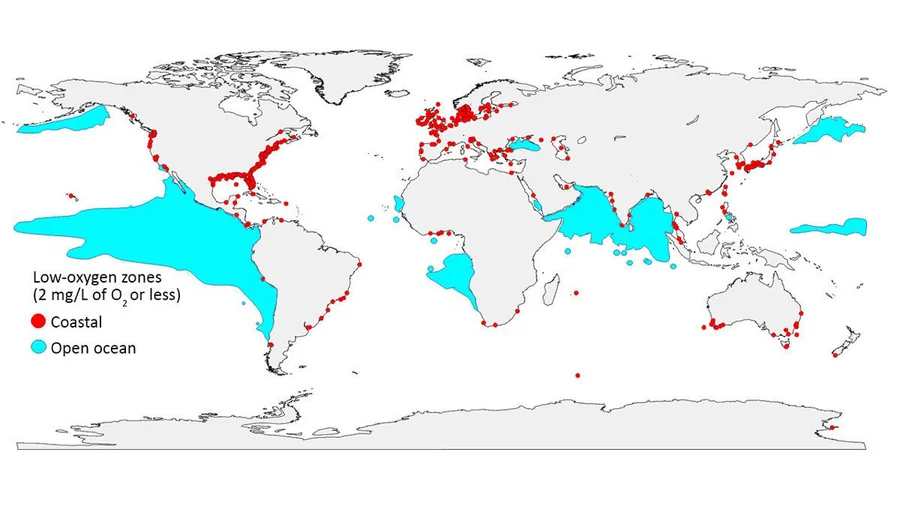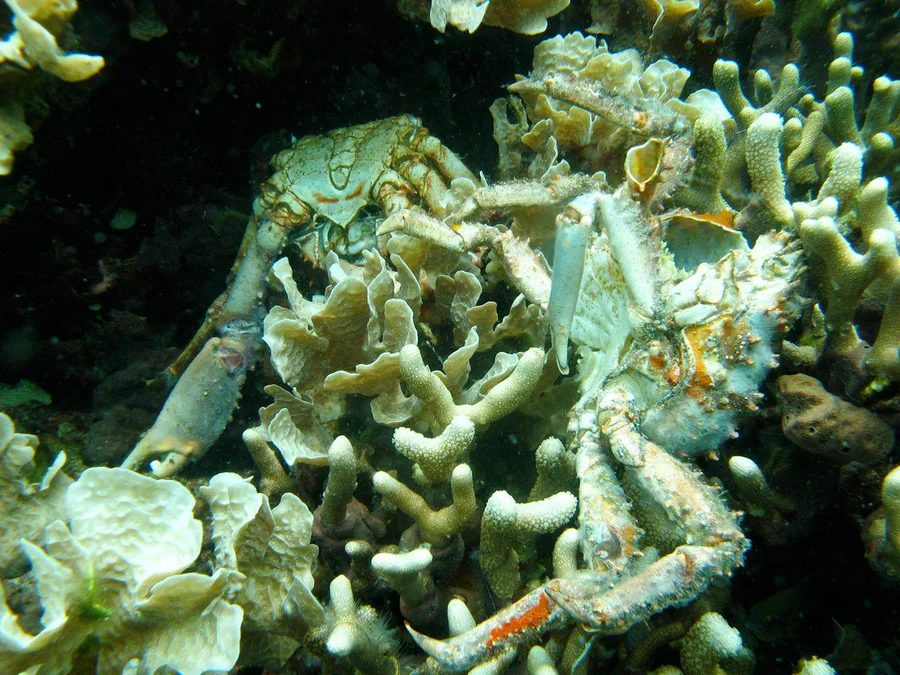
In the past 50 years, the amount of water in the open ocean with zero oxygen has gone up more than fourfold. In coastal water bodies, including estuaries and seas, low-oxygen sites have increased more than 10-fold since 1950. Scientists expect oxygen to continue dropping even outside these zones as Earth warms. To halt the decline, the world needs to rein in both climate change and nutrient pollution, an international team of scientists including the University of Hong Kong asserted in a new paper published January 2, 2018 in Science.
“Oxygen is fundamental to life in the oceans,” said Denise Breitburg, lead author and marine ecologist with the Smithsonian Environmental Research Center. “The decline in ocean oxygen ranks among the most serious effects of human activities on the Earth’s environment.” Moriaki Yasuhara, a co-author and marine biologist with the University of Hong Kong, continued "The Asian coast including Hong Kong is one of the most seriously suffered in this regard."
The study came from a team of scientists from GO2NE (Global Ocean Oxygen Network), a new working group created in 2016 by the United Nation’s Intergovernmental Oceanographic Commission. The review paper is the first to take such a sweeping look at the causes, consequences and solutions to low oxygen worldwide, in both the open ocean and coastal waters. The article highlights the biggest dangers to the ocean and society, and what it will take to keep Earth’s waters healthy and productive.